
Science
How To Prepare For Science Fairs Fast & Easy Success

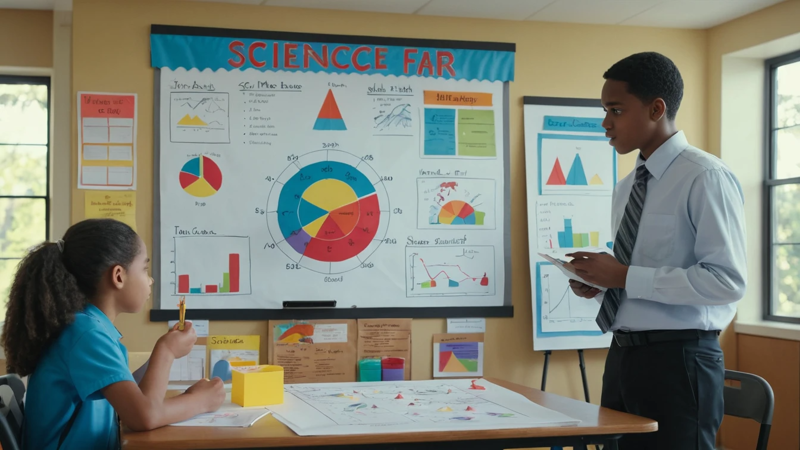
How to prepare for science fairs with simple steps, winning tips, and project ideas to boost your chances of success.
Preparing for a science fair involves choosing a clear topic, planning your project, conducting experiments, and presenting results in a simple, engaging way. Strong organization, creativity, and practice are key to impressing judges and building confidence.
How To Prepare For Science Fairs 🚀
Ever wondered why some students wow judges at science fairs while others struggle to stand out?
Preparing for a science fair doesn’t have to feel overwhelming. With the right plan, you can turn your project into something exciting, organized, and impressive. The key is to break the process into simple steps and stay consistent.
Let’s walk through everything you need to know to prepare like a pro—and actually enjoy the process.
Understand The Purpose Of Science Fairs 🎯
Science fairs are more than just school assignments. They help you explore real-world problems and think like a scientist. You learn how to ask questions, test ideas, and explain results clearly.
They also build skills like research, communication, and problem-solving. These are useful far beyond school. In fact, many students discover career interests through science fairs.
So, instead of seeing it as work, think of it as an opportunity to create something meaningful. That mindset shift changes everything.
Choose A Winning Science Fair Topic 💡
Your topic is the foundation of your project. Pick something you’re curious about. If you enjoy the topic, you’ll stay motivated throughout the process.
Avoid topics that are too broad or too simple. Focus on a specific question you can test. For example, instead of “plants,” try “How does sunlight affect plant growth?”
Here are some quick ideas to spark inspiration:
- How temperature affects battery life
- Which material keeps ice frozen longest
- The effect of music on concentration
Understand The Judging Criteria 🏆
Knowing how projects are judged gives you an advantage. Judges look for clarity, creativity, and scientific thinking.
Most science fairs evaluate projects based on:
- Originality
- Scientific method
- Presentation quality
- Data accuracy
Here’s a simple breakdown:
| Criteria | What Judges Look For |
| Creativity | Unique and interesting idea |
| Method | Clear steps and fair testing |
| Results | Accurate and well-recorded data |
| Presentation | Neat, organized display |
When you know what matters, you can focus your effort where it counts.
Do Background Research First 📚
Before starting your experiment, gather information. This helps you understand your topic and avoid mistakes.
Use books, trusted websites, and class materials. Take notes in simple language. Focus on facts that support your project idea.
Research also helps you form a strong hypothesis. The more you know, the better your experiment will be.
Create A Clear Hypothesis 🔍
A hypothesis is your educated guess. It predicts what you think will happen in your experiment.
Keep it simple and testable. For example:
If plants get more sunlight, then they will grow taller.
A strong hypothesis shows you understand your topic. It also guides your experiment and helps you stay focused.
Plan Your Experiment Step By Step 🧪
Planning saves time and prevents confusion later. Write down each step before you begin.
Think about:
- What materials you need
- What variables you will test
- How you will measure results
A clear plan keeps your project organized and easy to follow. It also helps judges understand your process.
Gather Materials And Tools 🛠️
Make a list of everything you need. Try to use simple, easy-to-find materials.
Avoid last-minute shopping. Gather everything early so you can focus on your experiment.
Here’s a sample materials checklist:
| Item | Purpose |
| Notebook | Record observations |
| Measuring tools | Accurate data |
| Timer | Track time |
| Labels | Organize samples |
Being prepared saves stress later.
Conduct The Experiment Carefully ⚗️
Now comes the fun part—testing your idea! Follow your plan step by step.
Stay consistent. If you change one thing, keep everything else the same. This ensures fair results.
Record everything, even small details. Sometimes the smallest observation leads to the biggest insight.
Record Data And Observations 📊
Good data makes your project strong. Write down results clearly and neatly.
Use tables, charts, or graphs to organize information. This makes it easier to understand.
Example:
| Trial | Result |
| 1 | 5 cm growth |
| 2 | 6 cm growth |
| 3 | 5.5 cm growth |
Clear data helps you explain your findings with confidence.
Analyze Your Results 🧠
Once your experiment is done, look at your data carefully.
Ask yourself:
- Did the results match your hypothesis?
- Were there any patterns?
- What surprised you?
Be honest. Even unexpected results are valuable. Science is about learning, not being perfect.
Create A Strong Science Fair Report 📝
Your report explains your entire project. It should be clear, simple, and well-organized.
Include:
- Title
- Question
- Hypothesis
- Method
- Results
- Conclusion
Write in your own words. Keep sentences short and easy to read.
Design An Eye-Catching Display Board 🎨
Your display board is what judges see first. Make it neat and visually appealing.
Use:
- Bold headings
- Clear charts
- Simple language
Avoid clutter. Too much information can confuse viewers. Keep it clean and focused.
Practice Your Presentation Skills 🎤
You should be ready to explain your project clearly.
Practice answering questions like:
- What did you learn?
- Why did you choose this topic?
- What would you do differently next time?
Speak confidently and smile 😊. Judges appreciate clear communication.
Manage Your Time Effectively ⏳
Time management is key to success. Don’t leave everything until the last minute.
Break your project into smaller tasks:
- Research
- Experiment
- Report
- Presentation
Set deadlines for each step. This keeps you on track and reduces stress.
Avoid Common Mistakes ❌
Many students lose points due to simple errors.
Watch out for:
- Messy presentation
- Missing data
- Weak hypothesis
- Poor time management
Fixing these issues early can make a big difference.
Stay Organized Throughout The Process 📁
Keep all your notes, data, and materials in one place.
Use folders or binders to stay organized. Label everything clearly.
Being organized helps you work faster and reduces confusion.
Get Feedback Before Final Submission 💬
Ask a teacher, parent, or friend to review your project.
They may spot mistakes you missed. Feedback helps you improve your work.
Don’t take criticism personally. Use it to make your project better.
Build Confidence Before The Big Day 🌟
Feeling nervous? That’s normal.
The best way to build confidence is practice. Go over your presentation multiple times.
Remember, you know your project better than anyone else. Trust yourself.
Final Checklist Before The Science Fair ✅
Before the big day, double-check everything:
| Task | Status |
| Report completed | ✔️ |
| Display board ready | ✔️ |
| Materials packed | ✔️ |
| Presentation practiced | ✔️ |
Being prepared helps you stay calm and focused.
Conclusion 🎉
Preparing for a science fair doesn’t have to be stressful. With the right approach, it becomes an exciting learning experience. Choose a topic you enjoy, stay organized, and follow each step carefully. Focus on clear communication and strong presentation. Most importantly, have fun exploring your ideas. That’s what science is all about.
FAQs ❓
How To Prepare For Science Fair Quickly?
Start with a simple topic and clear plan. Focus on one experiment and keep your data organized. Practice your presentation to save time and boost confidence.
What Makes A Science Fair Project Stand Out?
A unique idea, clear results, and neat presentation make a big impact. Judges also value creativity and understanding. Confidence during presentation helps too.
How Do You Choose A Science Project Topic?
Pick something you are curious about. Make sure it is testable and not too broad. A focused question works best.
How Long Should Science Fair Preparation Take?
It usually takes 2–4 weeks for proper preparation. This includes research, experiment, and presentation. Starting early reduces stress.
What Should You Say During Presentation?
Explain your project clearly and confidently. Talk about your hypothesis, method, and results. Answer questions honestly and stay calm.

College Admissions Tips From Former Counselors That Work

Best Online Resources For Learning Geometry: Smart & Easy Wins

How To Prepare For College Interviews Like A Pro

Top Science Channels For Students That Inspire Brilliant Learning
