
Education
Top Education Innovations Changing Classrooms Today

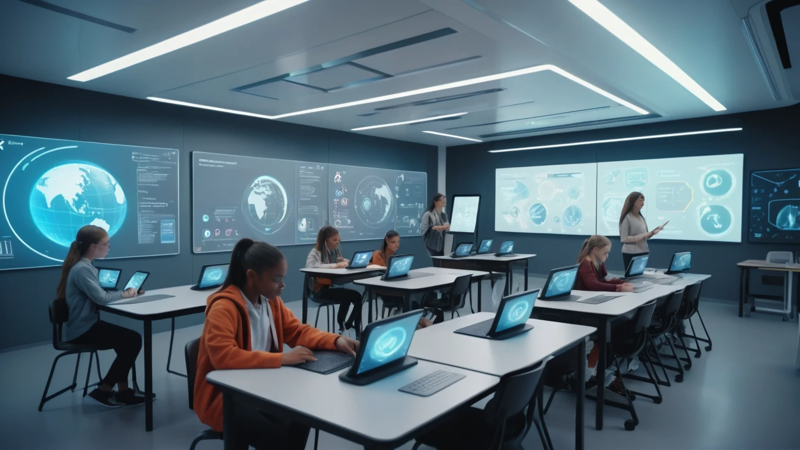
Top education innovations changing classrooms with smart tech, AI, and new teaching methods that boost learning outcomes and student engagement.
Top education innovations are transforming classrooms through AI tools, personalized learning, virtual reality, and collaborative technologies. These advancements improve student engagement, enhance teaching efficiency, and prepare learners for the future by making education more interactive, flexible, and accessible.
Top Education Innovations Changing Classrooms
Have you ever wondered why classrooms today look nothing like they did even five years ago?
The truth is simple: education is evolving fast, and technology is leading the way. From artificial intelligence to virtual reality, schools are adopting powerful tools that make learning more engaging and effective.
Let’s break down the top education innovations changing classrooms and how they are shaping the future of learning.
Personalized Learning With AI 🤖
Artificial intelligence is reshaping how students learn. Instead of a one-size-fits-all approach, AI tools now tailor lessons to each student’s needs. This means students can move at their own pace.
Teachers can track progress in real time. They can quickly identify who needs extra help and who is ready to move ahead. This makes classrooms more efficient and focused.
Key benefits include:
- Customized lesson plans
- Instant feedback
- Improved student outcomes
Smart Classrooms And IoT Devices 📱
Smart classrooms use connected devices to improve teaching. Interactive boards, tablets, and sensors create a more dynamic learning space.
Teachers can control lessons digitally and share resources instantly. Students can collaborate in real time using connected tools.
This technology also helps automate tasks like attendance and performance tracking, saving valuable time.
| Feature | Traditional Classroom | Smart Classroom |
| Learning Style | Passive | Interactive |
| Tools Used | Books, Chalkboard | Digital Devices |
| Feedback Speed | Slow | Instant |
| Engagement Level | Low | High |
Virtual Reality Learning Experiences 🕶️
Imagine exploring ancient Rome or diving into the ocean without leaving your classroom. That’s what virtual reality (VR) makes possible.
VR creates immersive learning experiences. Students can visualize complex topics more easily and remember them longer.
This approach is especially useful in subjects like history, science, and geography.
Augmented Reality In Education 📊
Augmented reality (AR) overlays digital content onto the real world. It adds another layer of understanding to traditional learning.
Students can interact with 3D models of the human body or see how machines work. This makes abstract concepts easier to grasp.
Learning becomes hands-on, even in a digital space.
Gamification Of Learning 🎮
Gamification turns lessons into games. It uses rewards, levels, and challenges to keep students motivated.
Students are more likely to stay engaged when learning feels fun. This method improves participation and retention.
Examples include:
- Quiz-based competitions
- Point systems
- Achievement badges
Cloud-Based Education Platforms ☁️
Cloud technology allows students and teachers to access resources anytime, anywhere. Learning is no longer limited to the classroom.
Assignments, notes, and lectures are stored online. This makes collaboration easier and more flexible.
Students can revisit lessons whenever they need, improving understanding and confidence.
| Benefit | Impact On Students |
| Flexibility | Learn anytime |
| Accessibility | Global resources |
| Collaboration | Team projects |
| Storage | No lost files |
Hybrid And Blended Learning Models 🏫
Hybrid learning combines in-person and online education. It gives students more control over how they learn.
This model became popular during the pandemic and continues to grow. It offers flexibility while maintaining classroom interaction.
Students can balance school with other responsibilities more easily.
AI-Powered Teaching Assistants 👩🏫
AI assistants help teachers manage their workload. They can grade assignments, answer student questions, and provide insights.
This allows teachers to focus more on teaching rather than administrative tasks.
“Technology doesn’t replace teachers—it empowers them.”
Adaptive Learning Software 📚
Adaptive software adjusts content based on student performance. If a student struggles, the system offers simpler explanations.
If they excel, it provides more challenging material. This ensures continuous growth.
This approach helps reduce learning gaps and improves overall results.
Blockchain For Academic Records 🔐
Blockchain technology is making academic records more secure and transparent. Certificates and degrees can be verified instantly.
This reduces fraud and simplifies the hiring process. Employers can trust the authenticity of credentials.
Students also gain full control over their academic data.
Collaborative Learning Tools 🤝
Digital tools like shared documents and virtual classrooms encourage teamwork. Students can work together from different locations.
This builds communication skills and prepares them for real-world collaboration.
Group projects become easier to manage and more effective.
| Tool Type | Purpose | Benefit |
| Shared Docs | Group Work | Real-time edits |
| Video Platforms | Virtual Classes | Remote learning |
| Discussion Boards | Idea Sharing | Better engagement |
Data-Driven Decision Making 📈
Schools are using data to improve teaching strategies. Analytics tools track student performance and behavior.
Teachers can identify trends and adjust lessons accordingly. This leads to better outcomes.
Data helps create a more responsive and effective education system.
Mobile Learning And Apps 📲
Learning is now in your pocket. Mobile apps allow students to study anytime, anywhere.
Short lessons, quizzes, and videos make learning convenient. This is especially helpful for busy students.
Mobile learning supports continuous education beyond the classroom.
Social And Emotional Learning (SEL) 💡
Education is not just about academics. SEL focuses on emotional intelligence and mental health.
Students learn skills like empathy, teamwork, and self-awareness. These are essential for success in life.
Schools are integrating SEL into daily lessons to create well-rounded individuals.
Coding And STEM Integration 🧪
STEM education prepares students for future careers. Coding is becoming a basic skill, just like reading and writing.
Hands-on projects help students understand real-world applications. This builds problem-solving skills.
STEM learning encourages creativity and innovation.
Microlearning And Bite-Sized Content ⏱️
Short lessons are more effective for modern learners. Microlearning breaks content into small, manageable pieces.
This improves focus and retention. Students can learn quickly without feeling overwhelmed.
It fits perfectly with mobile learning and busy schedules.
Teacher Training With EdTech 🧑💻
Teachers need training to use new technologies effectively. EdTech platforms provide ongoing professional development.
Workshops, online courses, and certifications help teachers stay updated.
Better-trained teachers lead to better student outcomes.
Inclusive And Accessible Learning 🌍
Modern education focuses on inclusivity. Technology helps students with disabilities access learning materials.
Features like text-to-speech and subtitles make education more accessible.
This ensures every student has equal opportunities to succeed.
Conclusion
The top education innovations changing classrooms are redefining how we teach and learn. From AI-powered tools to immersive VR experiences, education is becoming more personalized, engaging, and accessible.
These innovations are not just trends—they are shaping the future. Schools that embrace them will prepare students for a rapidly changing world.
FAQs
What are the latest classroom innovations today?
Modern classrooms use AI tools, VR, and smart devices. These technologies improve engagement and learning outcomes. They also help teachers manage tasks efficiently.
How does AI improve student learning experience?
AI personalizes lessons based on student performance. It provides instant feedback and adaptive content. This helps students learn at their own pace.
Why is gamification important in education?
Gamification makes learning fun and engaging. It motivates students through rewards and challenges. This increases participation and retention.
What is blended learning in modern education?
Blended learning combines online and in-person teaching. It offers flexibility and better access to resources. Students can learn anytime and anywhere.
How does VR help students understand concepts better?
VR creates immersive learning experiences. Students can visualize complex ideas easily. This improves memory and understanding.


College Admissions Tips From Former Counselors That Work

Best Online Resources For Learning Geometry: Smart & Easy Wins

How To Prepare For College Interviews Like A Pro

Top Science Channels For Students That Inspire Brilliant Learning
