
Teachers & Educators
Classroom Organization Tips For Secondary Teachers That Work Brilliantly

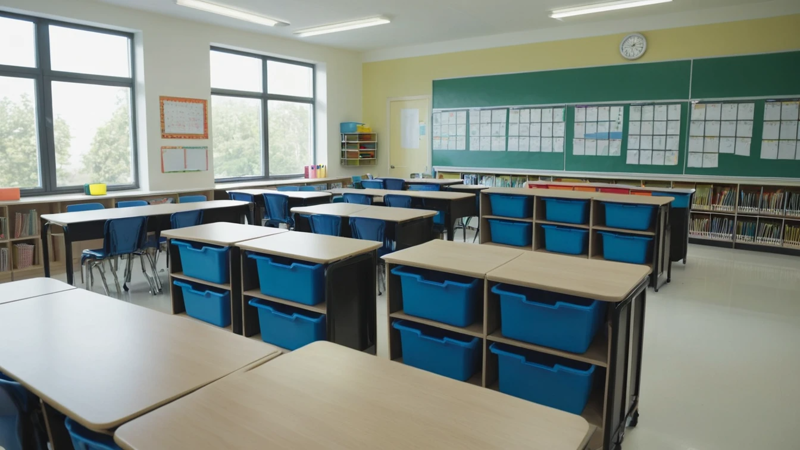
Classroom organization tips for secondary teachers that boost focus, save time, and reduce stress. Learn simple, effective systems that truly work.
Classroom organization tips for secondary teachers focus on creating clear systems, reducing clutter, and building routines. Use labeled zones, digital tools, and consistent procedures to manage materials, student work, and time effectively while improving classroom flow and student engagement.
Classroom Organization Tips For Secondary Teachers 📚✨
Ever feel like your classroom runs you instead of the other way around?
You’re not alone. Secondary classrooms can get chaotic fast—multiple subjects, different student groups, endless papers. The good news? A few smart organization systems can completely transform your teaching day.
The key is simple: create systems you can maintain, not perfection you can’t sustain. Let’s break down practical, realistic strategies that actually work.
Why Organization Matters In Secondary Classrooms 🎯
An organized classroom does more than look nice—it improves learning. Students feel calmer when they know where things are. That clarity reduces distractions and boosts focus.
For teachers, organization saves hours every week. You spend less time searching for materials and more time teaching. That alone lowers stress levels significantly.
“A structured classroom creates structured thinking.” When your space is organized, your teaching becomes more effective.
Create Clear Zones For Different Activities 🧭
Divide your classroom into functional zones. Each area should serve a specific purpose. This makes movement smoother and reduces confusion.
For example, you might have:
- A teaching zone near the board
- A group work area
- A resource station
Students quickly learn where to go and what to do. That saves time every single period.
Use A Consistent Daily Routine ⏰
Routine is your secret weapon. When students know what to expect, transitions become faster.
Start each class the same way. For example:
- Warm-up activity
- Lesson introduction
- Main task
- Exit ticket
Consistency builds confidence. It also reduces the number of questions you answer daily.
Label Everything Clearly 🏷️
Labels are small but powerful. They eliminate confusion instantly.
Label:
- Supply bins
- Shelves
- Student folders
- Turn-in trays
Use bold fonts and simple words. You can even color-code labels by class or subject.
Manage Paperwork Efficiently 📄
Paper can quickly take over your desk. The solution is a simple sorting system.
Use this structure:
| Category | Action | Storage Method |
| To Grade | Review later | Inbox tray |
| Graded | Return to students | Outbox tray |
| Important | Keep long-term | Filing cabinet |
| Trash | Discard | Recycling bin |
Stick to this system daily. Don’t let papers pile up—it becomes overwhelming fast.
Go Digital Whenever Possible 💻
Digital tools reduce physical clutter. They also make tracking easier.
Use platforms like:
- Google Classroom
- Microsoft Teams
- Digital gradebooks
Students submit work online. You provide feedback quickly. Everything stays organized in one place.
Organize Student Materials Smartly 🎒
Secondary students often forget things. Help them stay organized with structured systems.
Provide:
- Individual folders
- Binder sections
- Color-coded notebooks
You can assign each class a color. This makes it easier for students to stay prepared.
Use Color Coding For Easy Identification 🌈
Color coding is a game-changer. It speeds up organization and reduces mistakes.
Try this:
- Red = Homework
- Blue = Notes
- Green = Projects
Both you and your students benefit. Visual cues make everything easier to manage.
Keep Your Desk Clutter-Free 🧼
Your desk sets the tone. A messy desk creates stress.
Keep only essentials:
- Planner
- Laptop
- Current materials
Everything else should have a designated spot. Spend 5 minutes daily resetting your desk.
Build A Strong Filing System 📂
A good filing system saves you during busy weeks.
Organize files by:
- Subject
- Unit
- Date
Here’s a simple structure:
| Folder Type | Contents | Frequency Of Use |
| Daily | Current lessons | High |
| Weekly | Upcoming plans | Medium |
| Archive | Past materials | Low |
Digital and physical files should match. This keeps everything consistent.
Plan Lessons Ahead Of Time 🗓️
Planning reduces last-minute chaos. When you know what’s coming, you stay in control.
Set aside time weekly to:
- Prepare materials
- Print handouts
- Organize slides
This habit keeps your classroom running smoothly, even on busy days.
Set Up Turn-In And Return Systems 📥📤
Students need clear instructions for submitting work.
Use:
- A labeled turn-in tray
- Class-specific bins
- Digital submission portals
Returning work should be just as organized. This avoids confusion and lost assignments.
Use Storage Solutions That Save Space 📦
Classrooms have limited space. Smart storage makes a big difference.
Try:
- Stackable bins
- Wall shelves
- Rolling carts
Vertical storage is especially helpful. It keeps materials accessible without crowding the room.
Create A Backup System For Emergencies ⚡
Things go wrong. Technology fails. Plans change.
Always have:
- Extra copies
- Backup activities
- Offline resources
This keeps your class running no matter what happens.
Involve Students In Organization 🤝
Students should help maintain the classroom.
Assign roles like:
- Materials manager
- Tech helper
- Clean-up leader
This builds responsibility and keeps your workload lighter.
Use A Weekly Reset Routine 🔄
Set aside time to reset your classroom.
Your checklist might include:
- Clearing your desk
- Filing papers
- Restocking supplies
Consistency keeps small messes from becoming big problems.
Track Progress With Simple Systems 📊
Monitoring student progress helps you stay organized academically.
Use tools like:
- Grade trackers
- Assignment logs
- Progress charts
| Tracking Method | Best For | Ease Of Use |
| Digital Gradebook | Grades | Easy |
| Spreadsheet | Data tracking | Medium |
| Paper Log | Quick notes | Easy |
Choose one system and stick to it.
Keep Supplies Accessible But Controlled ✏️
Students need easy access to supplies. But too much access creates chaos.
Store items in labeled bins. Limit quantities at desks. Refill as needed.
This prevents waste and keeps things tidy.
Develop Strong Time Management Habits ⏳
Time organization is just as important as physical organization.
Use strategies like:
- Timers for activities
- Bell work routines
- Clear lesson pacing
Good time management keeps your class productive and focused.
Use Visual Schedules For Clarity 📅
Display a daily agenda on the board. This helps students stay on track.
Include:
- Lesson goals
- Tasks
- Deadlines
Students feel more in control when they know what’s coming next.
Maintain Flexibility In Your Systems 🌟
No system is perfect forever. Be ready to adjust.
If something isn’t working:
- Simplify it
- Replace it
- Remove it
The goal is efficiency, not perfection.
Conclusion 🎓
Classroom organization isn’t about having a perfect Pinterest-worthy space. It’s about creating systems that make your teaching life easier and your students more successful.
Start small. Pick two or three strategies from this guide. Build habits gradually. Over time, your classroom will become a calm, efficient, and productive space.
Remember: organized teachers don’t work harder—they work smarter.
FAQs ❓
- How can secondary teachers stay organized daily?
Start with a consistent routine and a simple checklist. Use labeled trays and digital tools to manage tasks. Spend a few minutes each day resetting your space. - What is the best way to organize student work?
Use turn-in trays or digital submissions. Sort work into categories like grading and returning. Keep everything clearly labeled to avoid confusion. - How do I reduce classroom clutter quickly?
Remove items you don’t use regularly. Switch to digital tools when possible. Use storage bins and vertical space for better organization. - How can I manage multiple classes efficiently?
Color-code materials for each class. Use separate folders or bins. Keep a planner to track lessons and assignments for each group. - What are simple classroom organization hacks?
Label everything, use weekly resets, and involve students. Keep systems simple and consistent. Small habits make a big difference over time.

College Admissions Tips From Former Counselors That Work

Best Online Resources For Learning Geometry: Smart & Easy Wins

How To Prepare For College Interviews Like A Pro

Top Science Channels For Students That Inspire Brilliant Learning
